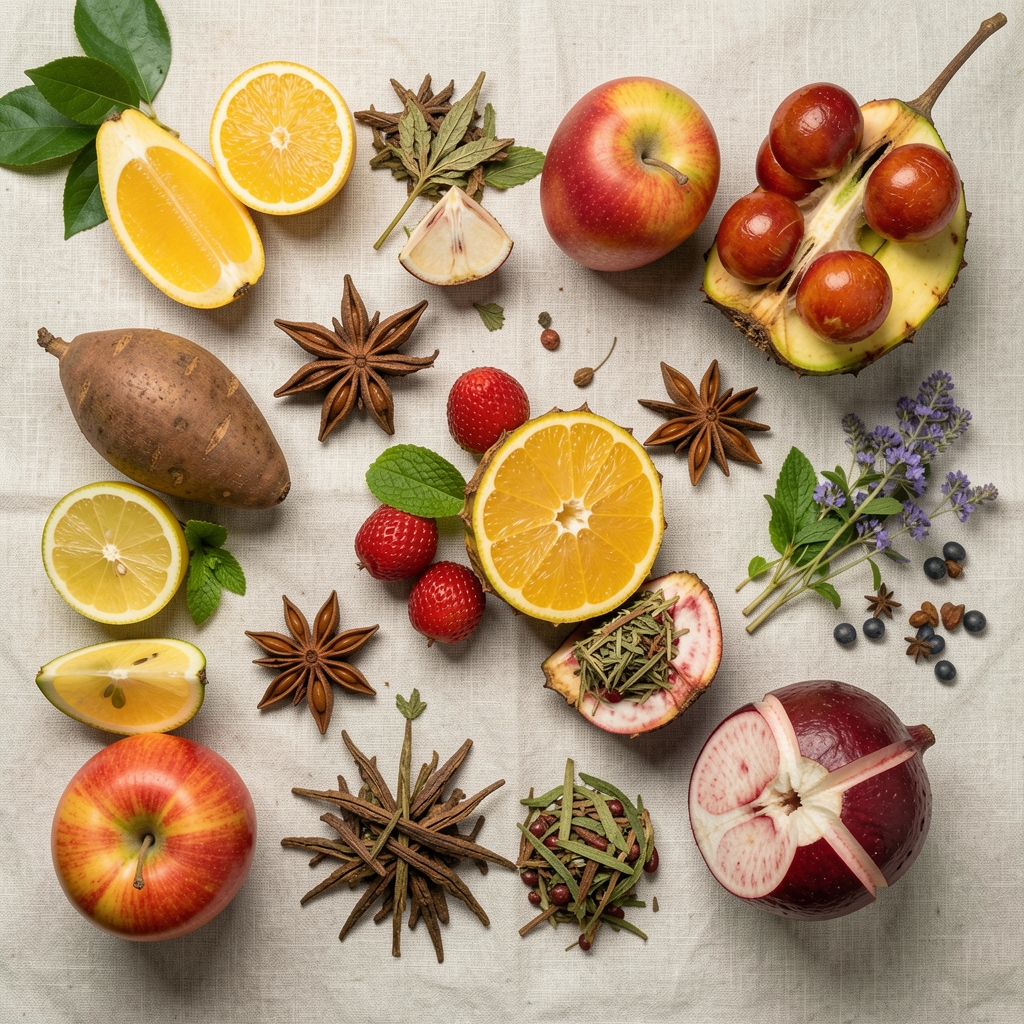
The Malaysian kitchen has always held a particular relationship with the land — one built not on abstraction but on proximity. Turmeric pulled from a neighbour's garden. Lemongrass bundled at the morning market. Ulam gathered and placed beside rice without ceremony. These are not exotic additions to a nutritional regime. For much of the population, they have always been the ordinary contents of the plate. This editorial surveys several of these ingredients through the lens of what published nutritional research and everyday dietary observation suggest about their contribution to variety and balance.
The role of turmeric in everyday Malaysian cooking
Turmeric — known locally as kunyit — appears across Malaysian cooking in forms that range from fresh root grated into rice dishes to dried powder incorporated into curries, soups, and marinades. It is present in the kitchen of nearly every Malaysian household as a foundational flavouring and colouring agent, not as a supplement or standalone practice.
Published nutritional literature has examined curcumin, the primary active compound in turmeric, extensively in the context of its antioxidant properties and its role in supporting a varied, plant-forward diet. The Bravenis Notebook editorial position is to note this research without attributing specific outcomes to individual ingredients consumed in culinary quantities. What the research consistently shows is that diets incorporating a wide range of spices — particularly the polyphenol-rich spices common in Malaysian cuisine — tend to be associated with higher overall dietary diversity scores.
For active men seeking to expand the nutritional range of everyday meals, turmeric's routine presence in Malaysian cooking represents an uncomplicated point of access to a well-documented plant compound — one that requires no change in purchasing habit, only an awareness of the ingredient already in use.
Ulam: the quiet breadth of raw herbs
Ulam — a broad category of raw herbs and greens eaten alongside main meals — is one of the more nutritionally dense aspects of the traditional Malaysian table that receives comparatively little attention in English-language wellness writing. The category includes pegaga (Centella asiatica), daun kesum (Vietnamese mint), daun selom, petai, and various other leafy plants consumed fresh, often with sambal or a squeeze of lime.
The nutritional breadth of ulam is significant. Centella asiatica alone has been the subject of substantial published research across multiple areas of interest including its polyphenol content and its historical presence in traditional Malay wellness practices. Vietnamese mint contributes flavonoids, while petai — despite its polarising reputation — offers a notable mineral profile. Eating a varied selection of ulam alongside a mixed rice plate is, from a dietary diversity standpoint, one of the more efficient approaches available within everyday Malaysian food culture.
The editorial observation here is that many urban professionals in Kuala Lumpur have progressively moved away from ulam as a regular part of the daily plate — not out of active choice, but because the hawker centre meal and the office lunch do not typically include it. Reconnecting with ulam as a habitual element of the plate represents a low-effort path to significantly broader nutritional variety.
Lemongrass and ginger: the aromatic foundation
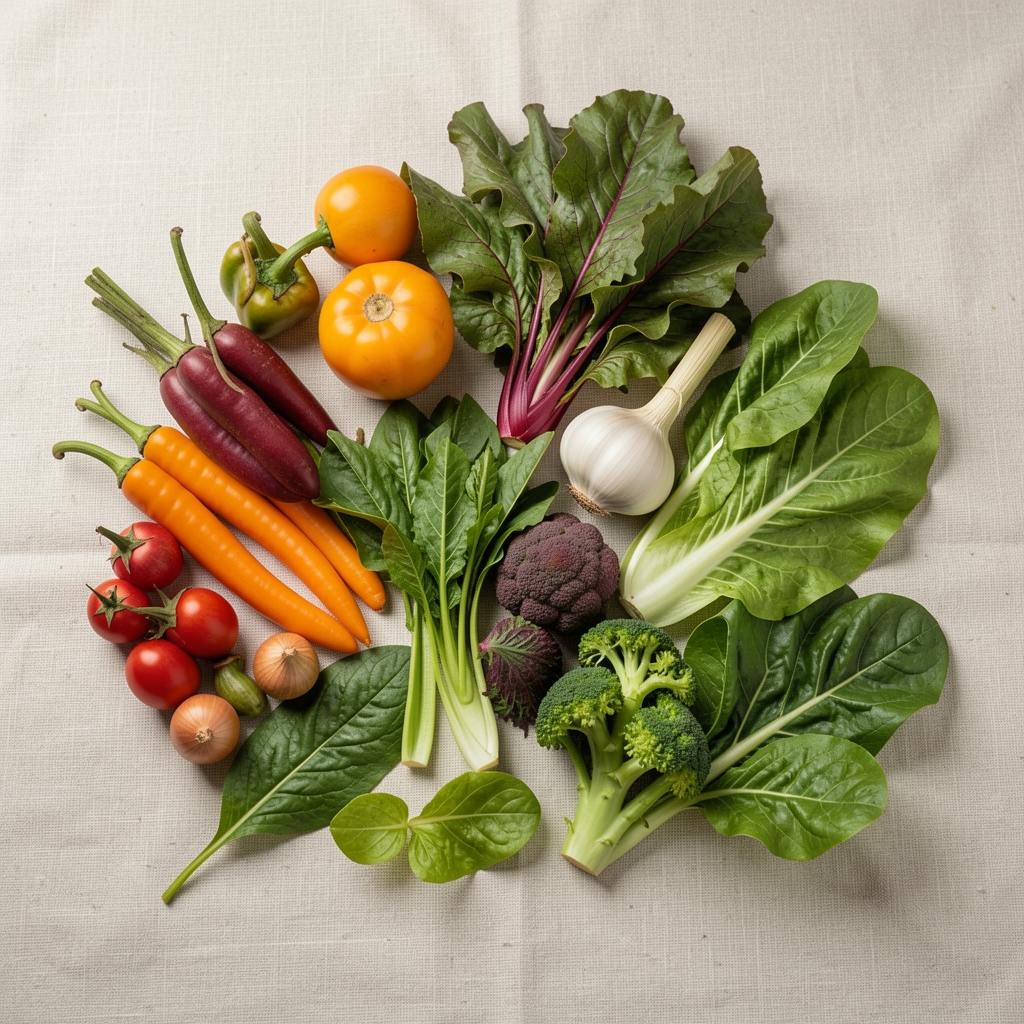
Lemongrass (serai) and ginger (halia) are the aromatic backbone of Malaysian cooking. Both appear in quantities far greater than those typically studied in supplement research — not as isolated compounds but as culinary quantities embedded in complete meals. This distinction matters for how the nutritional contribution of these ingredients should be understood.
Ginger has been extensively studied for its gingerol content and its role in supporting digestive function and reducing post-exercise muscle discomfort awareness in active individuals. A 2023 review published in the journal Nutrients examined ginger's role in recovery awareness across physically active populations. The consistent finding across studies is that ginger consumed in culinary quantities — one to two grams of fresh root per meal — is associated with lower self-reported muscle discomfort scores in the 24 hours following moderate exercise.
For the active man who eats Malaysian food regularly, this means that the ginger in a bowl of sup tulang or a plate of nasi lemak prepared with fresh ginger is not a negligible ingredient. It is a consistent, low-effort contribution to a recovery-aware diet — one that requires no supplementation or specific purchasing behaviour, only awareness of what is already on the plate.
"The Malaysian kitchen already contains many of the ingredients that nutritional research identifies as contributors to dietary variety. The editorial question is whether active men in the region are aware of this proximity."
Zinc, magnesium, and the protein landscape of traditional meals
The traditional Malaysian plate — when assembled in its full form — is a nutritionally broader structure than it is often given credit for in generic wellness writing oriented toward Western dietary frameworks. A standard rice plate with a protein component (fish, chicken, or legumes), a cooked vegetable dish, sambal, and a selection of ulam covers a substantial range of the macronutrient and micronutrient spectrum relevant to active men.
Zinc — found in meaningful quantities in pumpkin seeds, meat, legumes, and shellfish — supports energy metabolism and contributes to nutritional variety in a nutrient-dense diet. Magnesium, present in leafy greens, tempeh, nuts, and whole grains, is associated with muscle recovery awareness and sleep quality in published nutritional research. Both minerals are present in the traditional Malaysian diet in amounts that compare favourably with Western dietary patterns when the full meal is assembled intentionally rather than reduced to its most processed elements.
The challenge for many active urban professionals in Kuala Lumpur is not access to these ingredients — they are readily available, affordable, and culturally familiar — but consistency of inclusion. The convenience-driven urban diet, which skews toward hawker meals assembled for speed rather than nutritional breadth, can gradually erode the variety that the traditional plate offers. The editorial note here is simply one of awareness: the ingredients are already part of the cultural context. The habit is the variable.
An editorial note on traditional wellness literature
Malaysian traditional botanical practices — encompassing both the Malay ubat kampung tradition and the Ayurvedic influences present in the Tamil community — represent a substantial body of accumulated observation that predates modern nutritional science by centuries. This publication approaches that literature with respect and curiosity, not as a source of prescriptive guidance, but as a record of consistent observation that sometimes aligns, and sometimes departs from, contemporary nutritional research.
Where traditional practices align with published wellness research — as is the case with many of the ingredients surveyed in this article — the alignment is worth noting. Where traditional practices involve preparations or uses that fall outside what published research has examined, the editorial approach is to note the traditional context without extrapolating beyond it. The goal is informed awareness, not instruction.
- The traditional Malaysian plate, assembled in its complete form, offers broad nutritional variety that aligns with published dietary diversity frameworks.
- Ulam consumption — raw herbs alongside the main meal — represents one of the more efficient paths to dietary variety within everyday Malaysian food culture.
- Culinary quantities of ginger and turmeric in everyday Malaysian cooking contribute plant compounds that published nutritional research associates with dietary quality indicators.
- Consistency of inclusion — not access — appears to be the primary variable separating active men who benefit from the traditional Malaysian food landscape and those who do not.